

Why Job Alerts Work: Complete Expert Guide
More than 80% of job seekers now rely on digital alerts to discover new roles quickly and stay ahead in a crowded market. With online job boards overflowing, sifting through endless listings wastes valuable time and can easily overwhelm even the most determined candidate. Job alerts have transformed the search process by delivering tailored opportunities straight to your inbox, using smart technology to match your skills and ambitions with real openings as soon as they appear.
Table of Contents
- Understanding Job Alerts And Their Purpose
- Types Of Job Alerts And How They Differ
- How Job Alerts Empower Job Seekers
- Automation, Timing, And Precision In Alerts
- Best Practices For Setting Up Job Alerts
- Common Pitfalls And How To Avoid Them
Key Takeaways
| Point | Details |
|---|---|
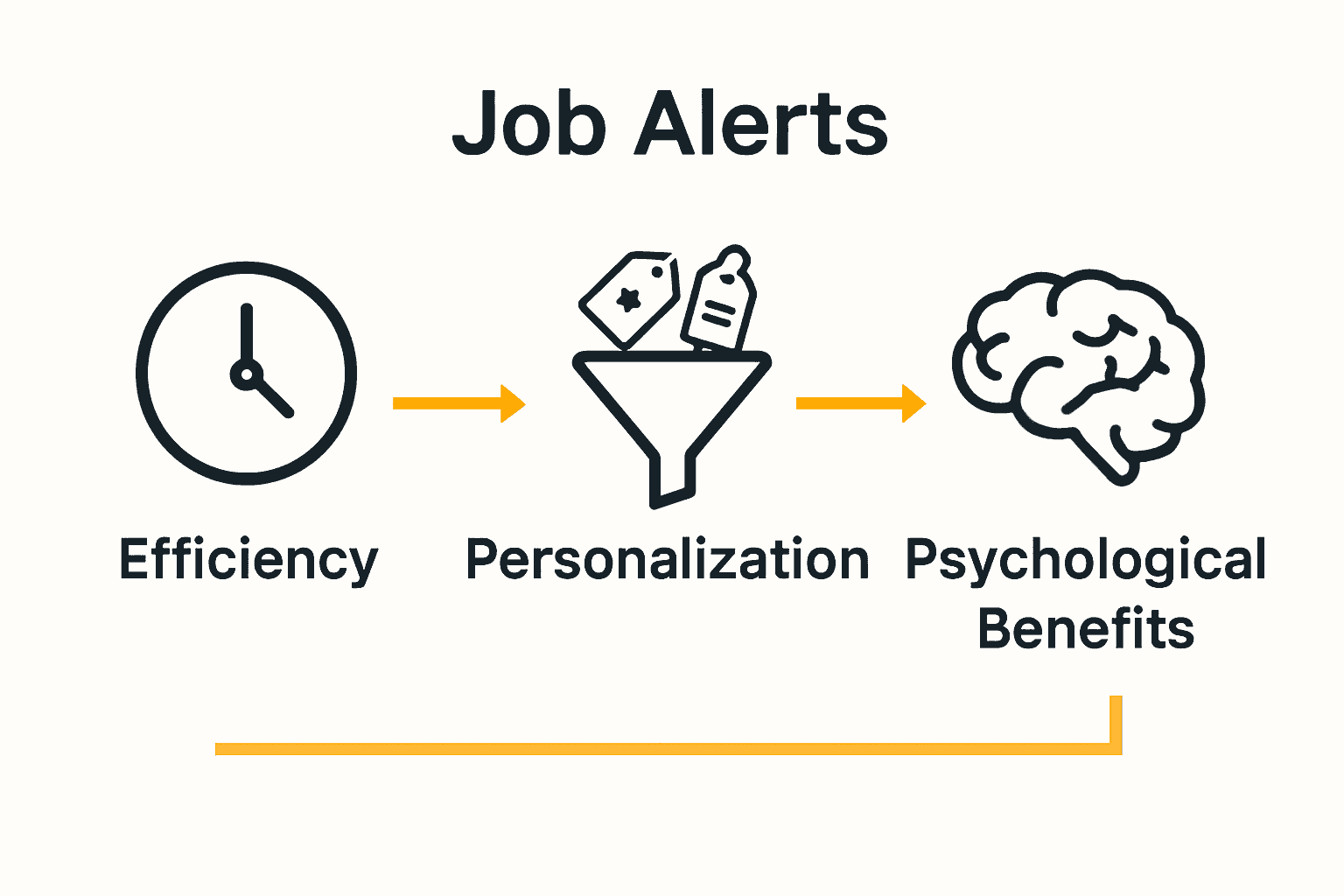
| Job Alerts Enhance Efficiency | Job alerts streamline the job search process by delivering relevant opportunities directly to users, reducing time spent on manual job searches. |
| Diverse Alert Types for Personalization | Different types of job alerts, including profile-based and location-specific, allow users to customize their searches according to individual needs. |
| Psychological Benefits | Job alerts help decrease search anxiety and improve confidence, empowering users to take control of their career trajectories. |
| Avoid Common Pitfalls | Users should prevent notification overload and ensure profile accuracy to maximize the effectiveness of their job alerts. |
 |
|
Understanding Job Alerts And Their Purpose
Job alerts represent a sophisticated digital recruitment strategy designed to connect job seekers with relevant employment opportunities quickly and efficiently. According to research from arxiv.org, these intelligent notification systems play a crucial role in helping candidates navigate the increasingly complex online job market.
At their core, job alerts function as personalised digital matchmakers between employers and potential candidates. By leveraging advanced recommendation algorithms, these systems analyse a user’s professional profile, skills, experience, and preferences to curate and deliver targeted job listings directly to their inbox or mobile device. Arxiv.org research highlights that context-aware job alerts can significantly enhance user engagement and improve the overall job search experience.
The primary benefits of job alerts include:
- Instant notifications about new job postings matching your profile
- Reduced time spent manually searching job boards
- Customisable filters for location, industry, salary range, and job type
- Higher probability of discovering relevant opportunities quickly
Modern job alert systems go beyond simple email notifications. They integrate intelligent matching technologies that understand nuanced professional contexts, ensuring job seekers receive opportunities closely aligned with their career aspirations and skill sets. By eliminating the need for constant manual searching, these tools transform job hunting from a time-consuming process into a streamlined, efficient experience.
Types Of Job Alerts And How They Differ
Job alerts have evolved significantly, transforming from simple email notifications to sophisticated, targeted recruitment tools. Academic research reveals that modern job alert systems are designed to cater to diverse candidate pools with increasingly nuanced filtering capabilities.
The primary types of job alerts can be categorised into several distinct approaches:
- Profile-Based Alerts
- Automatically match jobs based on professional skills and experience
- Use advanced algorithmic matching techniques
- Provide highly personalised job recommendations
- Keyword-Driven Alerts
- Search for specific job titles, skills, or industry terms
- Allow users to set custom search parameters
- Capture opportunities across multiple platforms
- Location-Specific Alerts
- Target jobs within specific geographical regions
- Enable radius-based job searches
- Ideal for candidates with geographical constraints
- Industry-Specific Alerts
- Focus on particular sectors like technology, finance, or healthcare
- Curate opportunities within niche professional domains
- Provide more targeted career progression options
According to academic analysis, these alert types represent the evolution of digital recruitment strategies, moving beyond traditional job posting methods to create more intelligent, responsive matching systems. Each alert type offers unique advantages, allowing job seekers to customise their search experience and increase their chances of finding ideal employment opportunities.

By understanding these different alert mechanisms, professionals can strategically leverage technology to streamline their job search, reducing time spent manually browsing job boards and increasing the likelihood of discovering perfectly matched career opportunities. Our job postings guide provides additional insights into maximising the effectiveness of these sophisticated job alert systems.
How Job Alerts Empower Job Seekers
Job alerts represent more than just a technological convenience. Research from Frontiersin reveals that these sophisticated systems play a critical psychological role in empowering job seekers, particularly among younger professionals navigating complex employment landscapes.
The psychological benefits of job alerts are profound and multifaceted:
- Reduced job search anxiety
- Increased sense of professional control
- Continuous exposure to relevant opportunities
- Enhanced motivation through active engagement
- Improved confidence in career progression
Modern job alerts transform the traditional job hunting experience by providing strategic advantages. They eliminate the exhausting process of manually scanning multiple job boards, instead delivering curated opportunities directly to candidates. This approach not only saves time but also helps professionals maintain a proactive stance in their career development.
Academic research highlights the emotional dimensions of job searching, demonstrating how timely and targeted job alerts can significantly reduce the psychological stress associated with employment transitions. By creating a more structured and supportive job search environment, these systems help candidates maintain emotional resilience and strategic focus.
For job seekers looking to maximize their alert effectiveness, understanding how to post jobs effectively can provide additional insights into the recruitment ecosystem, helping them better navigate and interpret the opportunities presented through these intelligent notification systems.
Automation, Timing, And Precision In Alerts
Arxiv research reveals that modern job alert systems are far more sophisticated than simple notification mechanisms. Intelligent automation has transformed these platforms into precision-driven tools that adapt dynamically to individual user preferences and professional landscapes.
The core components of advanced job alert automation include:
Contextual Intelligence
- Analyse user’s professional profile
- Match jobs based on complex skill matrices
- Consider career progression trajectory
Temporal Optimization
- Send alerts during optimal engagement windows
- Prevent notification fatigue
- Respect user’s preferred communication schedules
Adaptive Learning
- Continuously refine matching algorithms
- Track user interaction with previous alerts
- Improve recommendation accuracy over time
Arxiv’s comprehensive survey emphasizes the critical role of context-aware notifications in maximizing user engagement. These systems go beyond simple keyword matching, incorporating nuanced understanding of professional contexts, career aspirations, and evolving market dynamics.
By leveraging machine learning and sophisticated recommendation algorithms, job alert systems create a personalised, responsive job search experience. Understanding how to post jobs effectively can provide additional insights into the intricate mechanics driving these intelligent notification platforms.
Best Practices For Setting Up Job Alerts
Academic research reveals that setting up effective job alerts requires strategic planning and nuanced understanding of personal career objectives. Professional job alert configuration is not a one-size-fits-all approach but a personalised strategy tailored to individual career trajectories.
Key steps for optimising job alert setup include:
- Profile Precision
- Create a comprehensive, updated professional profile
- Include detailed skill sets and certifications
- Highlight specific career aspirations
- Filtering Strategies
- Use multiple, specific keywords
- Set precise location parameters
- Define salary and experience level ranges
- Incorporate industry-specific terminology
- Alert Customisation
- Select preferred notification frequencies
- Choose multiple communication channels
- Enable priority job matching
- Set up secondary backup filters
Academic insights emphasize the importance of continuous refinement in job alert configurations. Professionals should treat their alert systems as dynamic tools, regularly updating and adjusting parameters to reflect evolving career goals and market dynamics.
For job seekers looking to maximise their alert effectiveness, understanding how to craft competitive job postings can provide additional context about the recruitment ecosystem and help fine-tune alert strategies.
Common Pitfalls And How To Avoid Them
Arxiv research reveals a critical challenge in job alert systems: the potential for outdated or misleading online professional representations. Digital professional reputation management has become increasingly complex, with job seekers needing to be vigilant about the information associated with their profiles.
The most significant pitfalls in job alert strategies include:
- Notification Overload
- Receiving too many irrelevant job alerts
- Creating alert fatigue
- Reducing overall engagement
- Profile Inconsistency
- Mismatched skills and experience descriptions
- Outdated professional information
- Conflicting details across platforms
- Narrow Search Parameters
- Overly restrictive job filters
- Missing potential opportunities
- Limited career exploration
Arxiv’s comprehensive study addresses the critical issue of alert fatigue, proposing intelligent systems that suppress excessive notifications. The key is creating a balanced approach that provides relevant information without overwhelming the job seeker.
Professionals can mitigate these risks by regularly updating their profiles and understanding how to craft competitive job postings, which provides insights into how recruiters and alert systems actually evaluate candidate information.
Empower Your Job Search with Precision Alerts at GoNextJob
Struggling with notification overload or missing key opportunities in your job hunt? The article highlights how expertly tailored job alerts reduce anxiety and deliver precisely matched roles based on your skills and preferences. At GoNextJob, we understand the importance of contextual intelligence and adaptive learning, making it easier for you to stay ahead without the frustration of irrelevant alerts.
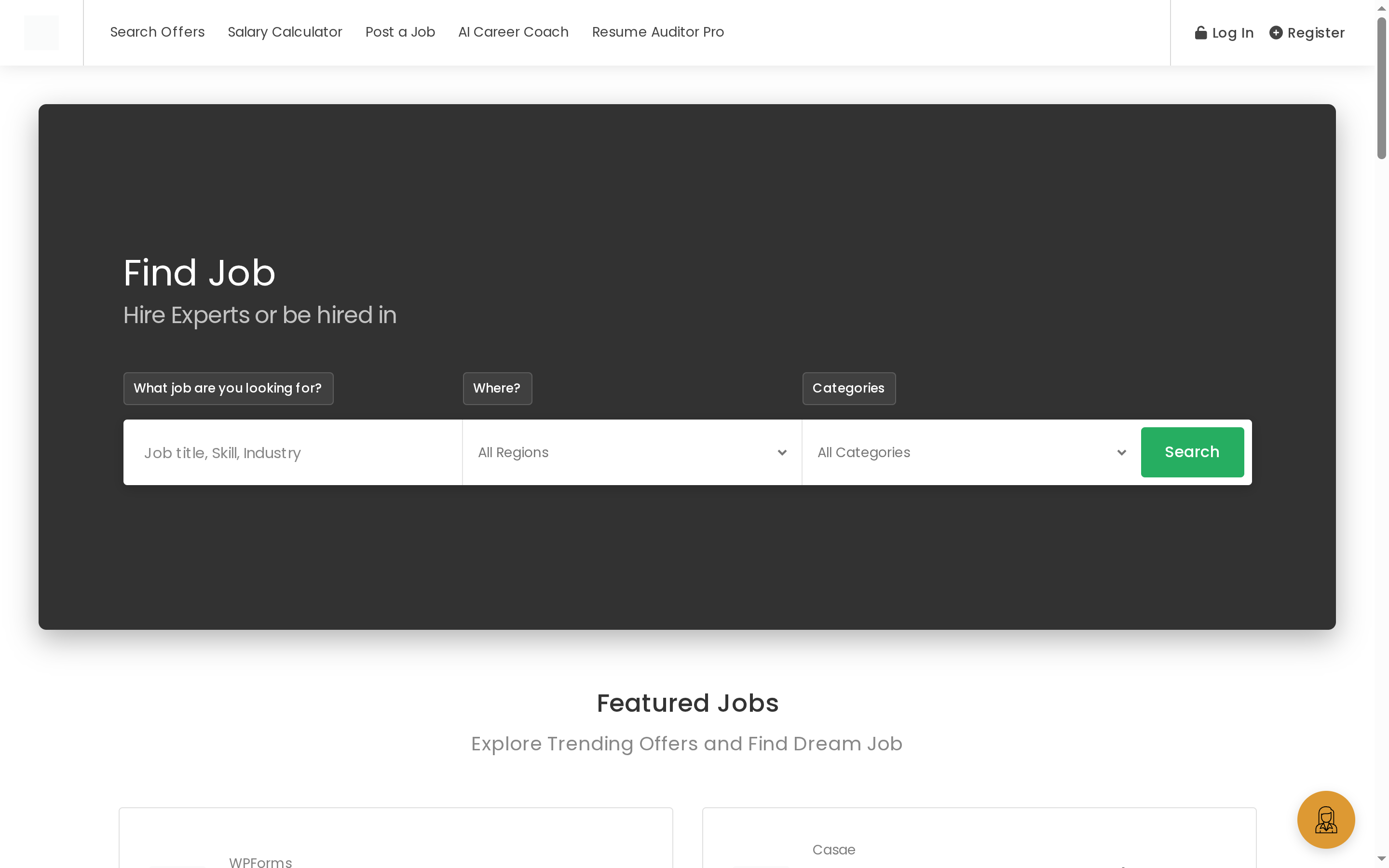
Take control of your career journey now by setting up personalised job alerts that speak directly to your ambitions. Visit GoNextJob to create your profile, explore how to post a job effectively, and discover tailored job postings designed to align with your goals. Don’t wait — start receiving only the opportunities that matter to you today!
Frequently Asked Questions
What are job alerts and how do they work?
Job alerts are personalized digital notifications that connect job seekers with relevant job postings based on their professional profile, skills, and preferences. They use advanced algorithms to analyze data and deliver tailored job listings to users via email or mobile devices.
How can I set up effective job alerts?
To set up effective job alerts, create a comprehensive professional profile, use specific keywords, define location parameters, and customize notification frequencies. Regularly update your alert settings to reflect evolving career goals.
What are the different types of job alerts available?
The different types of job alerts include profile-based alerts, keyword-driven alerts, location-specific alerts, and industry-specific alerts. Each type offers unique advantages, allowing job seekers to tailor their search experience.
How do job alerts empower job seekers?
Job alerts empower job seekers by reducing job search anxiety, increasing control over their job search, providing continuous exposure to relevant opportunities, enhancing motivation, and building confidence in career progression.