
Your Guide to Finding a Job in Europe: From Searching to Relocation
Understanding the European Job Market
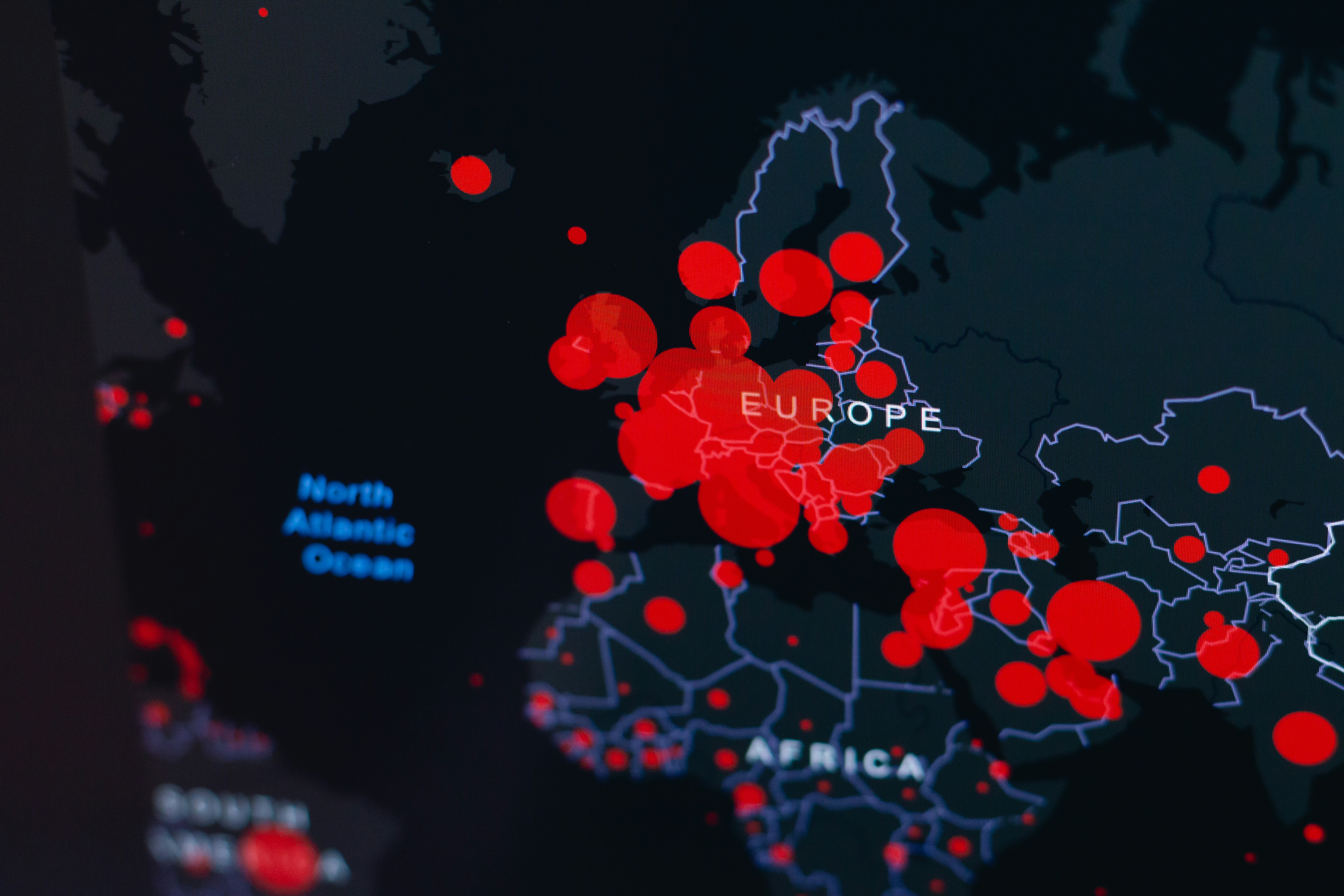
The job market in Europe is characterized by a dynamic and diverse landscape that varies significantly across countries. Economic conditions, technological advancements, and shifting demographics all contribute to the evolving nature of employment opportunities. Currently, sectors such as technology, healthcare, and renewable energy are experiencing substantial growth, creating an increased demand for skilled professionals in these fields. For instance, jobs in Germany often reflect a robust engineering sector, while jobs in the UK highlight the expansion of financial services and digital marketing.
As a potential job seeker, it is essential to acknowledge the differences in the job search processes across various European nations. Each country may have its unique set of expectations, cultural nuances, and administrative requirements. For instance, the approach for securing jobs in Poland may differ from that in Italy, as local customs and application protocols play a significant role in recruitment. In some nations, networking is a crucial component of job hunting, while in others, a more formal application process may predominate.
Before embarking on your career journey in Europe, it is vital to consider factors such as language proficiency, cultural adaptability, and the validity of your qualifications. Some countries may require proficiency in the local language, which could impact your job prospects. Moreover, understanding the work culture is equally important; familiarity with corporate environments can enhance your chances of successful employment. Researching job trends, economic indicators, and insights into specific sectors will further equip you with the knowledge needed to navigate your job search effectively.
In conclusion, the European job market presents a myriad of opportunities and challenges for job seekers. By comprehensively understanding the regional differences, employment trends, and necessary prerequisites, individuals can strategically position themselves to find fulfilling careers across the continent.
Preparing for Your Job Search
Embarking on a career in Europe requires a strategic approach to ensure successful job placement. The first step in this process is to tailor your CV and cover letter according to European standards. Each country in Europe may have unique preferences regarding length, format, and content. For example, a CV in Germany tends to be more formal and concise, while a more flexible approach may be accepted in the UK. Therefore, researching the specific expectations for the country you are targeting, whether it be jobs in Poland or jobs in Germany, is critical to making a good impression.
Besides customization, understanding the importance of networking cannot be overstated. Many job opportunities in Europe are filled through personal connections rather than job postings. Engaging with professionals in your field and building relationships can lead to valuable referrals and inside information about unadvertised positions. Participating in networking events, attending industry conferences, and connecting with individuals on platforms like LinkedIn are practical strategies to expand your professional network. Ensuring your LinkedIn profile is polished and reflects your skills and aspirations can serve as an effective branding tool that attracts potential employers.
Furthermore, leveraging online job portals and company websites is vital in your job search. Websites dedicated to jobs in the UK, Germany, and across Europe can present a plethora of opportunities suited to various skill sets. In addition to application platforms, many companies post career opportunities directly on their websites, necessitating regular visits to these resources. Crafting a personal job alert for your areas of interest can help streamline this process.
In conclusion, taking the time to prepare effectively for your job search in Europe is essential. From customizing application materials to establishing a professional online presence, each step you take increases your chances of landing a rewarding career in a diverse and dynamic marketplace.
Best Cities for Job Opportunities in Europe
When seeking a career in Europe, understanding the landscape of job opportunities and thriving industries is essential. Certain cities stand out as magnets for talent, with robust markets and diverse sectors catering to various skills and professions. Among these, Berlin, Amsterdam, London, Paris, and Barcelona are frequently heralded for their economic vitality.
Berlin has evolved into a tech hub, attracting start-ups and established companies alike. The city is notable for its vibrant technology scene and creative industries, making it an ideal destination for those looking for jobs in Germany. Moreover, the cost of living in Berlin remains relatively affordable compared to other major capitals, allowing newcomers to settle in without undue financial pressure.
Amsterdam offers jobs in Europe that extend beyond traditional sectors. Its booming finance, technology, and creative sectors provide numerous opportunities for international talent. The city’s progressive outlook and high English proficiency make it an attractive location for expatriates. Despite a higher cost of living, many find the quality of life in Amsterdam compensates for the additional expense.
London continues to be a global financial center, drawing professionals from all corners of the world. The diverse job market encompasses finance, technology, healthcare, and more, making it a prime destination for individuals seeking jobs in the UK. However, the cost of living is considerably high, which candidates must factor into their career decisions.
Paris remains a major player in sectors like fashion, arts, and technology. The city not only boasts a rich cultural heritage but also offers robust job opportunities. Potential residents must consider the high cost of living but can expect enriching career experiences in return.
Finally, Barcelona is increasingly recognized for its tech scene and creative industries. With favorable weather and rich culture, jobs in Spain are appealing, though candidates should be prepared for the competitive job market.
In conclusion, selecting the right city in Europe for career advancement involves assessing various factors including industry demand, cost of living, and personal preferences. By navigating these elements carefully, job seekers can find rewarding opportunities across the continent.
Identifying High-Demand Job Positions
As job seekers explore their career options across Europe, understanding which positions are in high demand can significantly enhance their prospects. The technology sector is currently experiencing unprecedented growth, with roles such as software developers, data scientists, and cybersecurity experts being particularly sought after. This surge is fueled by an increasing reliance on digital solutions and the ongoing advancement of tech innovations. Countries like Germany and the UK are at the forefront, actively seeking talent to fill these essential jobs in Europe.
In addition to technology roles, the healthcare industry continues to be a cornerstone of Europe’s employment landscape. The demand for healthcare professionals, including nurses, doctors, and specialized medical staff, has risen sharply due to demographic shifts and an aging population. Jobs in Poland and Germany are especially abundant for qualified healthcare workers, with various initiatives aimed at recruiting international talent to address current shortages.
The engineering sector also remains robust, with significant opportunities available in areas such as civil, mechanical, and electrical engineering. These positions are crucial as European countries focus on infrastructure development and sustainability initiatives. Simultaneously, the skilled trades, including electricians, plumbers, and carpenters, are in high demand, with many employers struggling to find qualified candidates. This trend presents a viable pathway for those looking to start or advance their careers in practical fields.
Educational qualifications and relevant experience play a pivotal role in securing these positions. Many high-demand jobs require specific certifications and degrees, particularly in technology and healthcare. Prospective candidates are encouraged to hone their skills and obtain necessary qualifications to improve their chances of landing desirable roles across Europe.
Top Companies for Job Relocation Assistance
Navigating the job market in Europe can be a complex task, especially for international candidates seeking career opportunities. Fortunately, numerous companies and organizations are dedicated to assisting individuals with job placements and relocation logistics. Understanding these resources can significantly ease the process of finding jobs in Europe, particularly in countries like Poland, Germany, and the UK.
Among the foremost recruitment agencies, some have established a solid reputation for facilitating career transitions for expatriates. Agencies such as Robert Half and Michael Page offer specialized recruitment services that connect candidates with international businesses willing to hire skilled workers. These agencies not only assist in job placements but also provide valuable insights into visa regulations, relocation packages, and salary expectations specific to the chosen country.
Additionally, several multinational corporations actively seek to recruit talent from abroad. Companies like Deloitte and Accenture are known for their inclusive hiring policies and commitment to diversity. These organizations often provide their employees with relocation assistance through comprehensive packages that include support for finding accommodation, navigating local customs, and settling into a new environment, making them attractive employers for those considering a career in Europe.
Moreover, various government-sponsored programs and initiatives exist to assist job seekers. Many European countries have established initiatives aimed at attracting skilled labor, which often include job placement services and relocation aid. For instance, Germany’s Make it in Germany initiative provides extensive resources for foreign professionals looking for jobs in Germany, including guidance on the application process and support for relocating to the country.
In conclusion, international candidates exploring career opportunities in Europe should consider leveraging the resources available through specialized recruitment agencies, multinational corporations known for hiring expatriates, and government programs dedicated to easing the relocation process. With the right support, transitioning into a new role in Europe can become a streamlined and rewarding experience.
Visa Requirements and Legal Considerations
When seeking a career in Europe, understanding the visa requirements and legal considerations is essential. Each country within the European Union (EU) and the wider European area has its own regulations regarding work permits and residency. Generally, the visa type required will depend on the nationality of the applicant, the nature of employment, and the duration of stay. For non-EU nationals, securing a work visa often necessitates a job offer from a company willing to sponsor the application.
The application process usually involves submitting several documents, including proof of employment, educational qualifications, and often a clear criminal background check. It is important to ensure that all papers are in order and that they meet the specific requirements of the country in which one is seeking jobs. For instance, countries like Germany may require applicants to demonstrate language proficiency, while Poland may assess employment demand for the applicant’s skills. Each nation has distinct labor laws that protect workers’ rights and determine working conditions, and professionals must familiarize themselves with these regulations to ensure compliance and protection.
Moreover, understanding the nuances of labor laws in the chosen country is critical. These laws vary widely; for example, in the UK, workers are protected under various employment legislations, which emphasize rights such as fair pay and holiday entitlements. In contrast, Germany has robust laws surrounding job security and termination procedures. Therefore, it is beneficial for job seekers to not only secure a work visa but also thoroughly understand their rights and responsibilities as employees. This knowledge serves to safeguard one’s career interests while adjusting to the new working environment in Europe.
Adapting to a New Culture and Workplace
Relocating for a career in Europe is an exciting opportunity, but it also involves adjusting to a new culture and workplace environment. Understanding cultural norms is essential to integrate successfully into any new setting. Each European country possesses unique traditions, values, and social behaviors, which can significantly influence workplace dynamics. Therefore, it is crucial to research these aspects before making the transition.
Communication styles vary across Europe. For instance, in countries such as Germany and the UK, directness and clarity are often valued, while in Mediterranean countries, a more indirect approach may be preferred. Familiarizing yourself with the preferred communication methods can enhance collaboration and minimize misunderstandings, especially when pursuing jobs in Germany or jobs in the UK. Engaging in active listening, showing respect for diverse perspectives, and adapting your style can pave the way for effective teamwork.
Workplace etiquette also differs significantly. Punctuality is considered highly important in northern European countries, whereas southern European cultures may have a more relaxed approach to time. Recognizing these differences can help you align with company expectations, which is vital for establishing a good reputation in your new role. Moreover, building relationships with coworkers in your new environment is essential. Join social gatherings or professional networks to forge connections, which can provide support as you acclimatize to life in Europe.
A key to navigating this transition smoothly lies in maintaining an open mindset. Embrace the new experiences and perspectives that come with adapting to a different work environment. Being willing to learn and occasionally step out of your comfort zone can significantly enrich your career journey in Europe. Ultimately, integrating into a new social landscape and workplace culture can enhance not only your professional life but also your personal experiences during your time abroad.
Cost of Living and Financial Planning
When considering a career in Europe, one of the most significant factors to contemplate is the cost of living, which can vary greatly from one city to another. Each country offers a unique set of financial considerations that potential job seekers should thoroughly analyze before making their move. For instance, cities like Berlin and Warsaw present a relatively lower cost of living compared to London or Paris, making them attractive options for those seeking jobs in Germany or jobs in Poland.
Housing is one of the most significant expenses that individuals should account for in their financial planning. Rent prices can fluctuate significantly based on the location within a city, as well as the type of accommodation selected. Individuals moving to cities with a high demand for housing, such as London or Amsterdam, may find prices overwhelming, whereas a more rural setting may offer affordable options. It is advisable to research accommodation online and evaluate different neighborhoods to find the best fit for both personal preferences and financial situations.
Transportation costs also vary and can influence the overall budget. Cities with efficient public transportation systems, like those found in Germany and the Netherlands, often reduce the need for personal vehicles, saving money in the long run. Moreover, allocating funds for healthcare is essential as European countries have different structures for health insurance and medical costs, which can impact monthly budgets.
Everyday expenses such as groceries, utilities, and leisure activities further influence the cost of living. It is essential to create a budget that encompasses all these variables, ensuring financial stability after securing a job in Europe. By proactively assessing potential expenditures and exploring various budgeting strategies, job seekers can mitigate financial stress during their career transitions.
In conclusion, a comprehensive understanding of the cost of living and diligent financial planning is integral when relocating for jobs in Europe. By taking these factors into account, individuals can enhance their relocation experience and ensure a more successful career journey.
Success Stories: Testimonials from Relocated Professionals
Relocating for work can be a daunting task, but numerous professionals have successfully navigated the journey and found fulfilling careers in Europe. Their experiences serve as powerful reminders of what is possible with determination and careful planning. For instance, Laura, an IT professional from the United States, moved to Germany in pursuit of new career opportunities. She focused on the job market in Germany before applying, specifically targeting roles that aligned with her skills in software development. After thorough research and networking with professionals in the industry, she secured a position that not only matched her expertise but also offered the chance to work on innovative projects. Laura emphasizes the importance of understanding the local market and being adaptable, saying that embracing the culture and language significantly smoothed her transition.
Similarly, Mark, an engineer from the UK, embarked on a journey to Poland after hearing about the growing demand for tech jobs in Europe. His proactive approach included attending job fairs and connecting with local recruiters. Mark’s efforts paid off when he landed a role at a leading engineering firm in Warsaw, a city he describes as “vibrant and full of opportunities.” He advises future job seekers to remain open-minded and adaptable, highlighting how his relocation has broadened his career perspective and enriched his personal growth.
Another inspiring story comes from Sarah, a marketing consultant who relocated to the Netherlands. She found a niche in the digital marketing landscape of Amsterdam, where innovation and creativity thrive. Sarah suggests that individuals interested in pursuing careers in Europe should leverage professional networking platforms, as building connections can be invaluable for job searches. These testimonials from relocated professionals illustrate that while the path to finding jobs in Europe may include challenges, the rewards, both personally and professionally, are substantial. With the right mindset and resources, achieving a prosperous career in Europe is within reach for aspiring candidates.